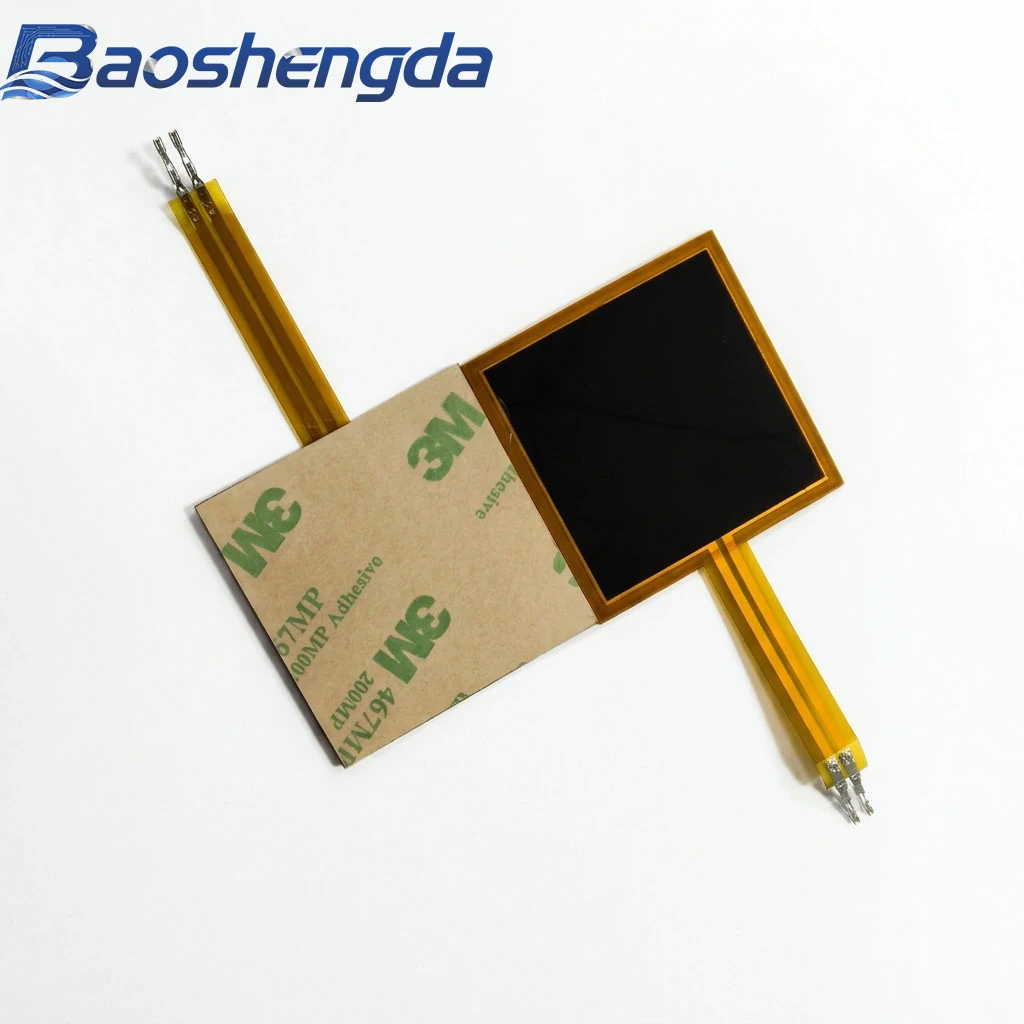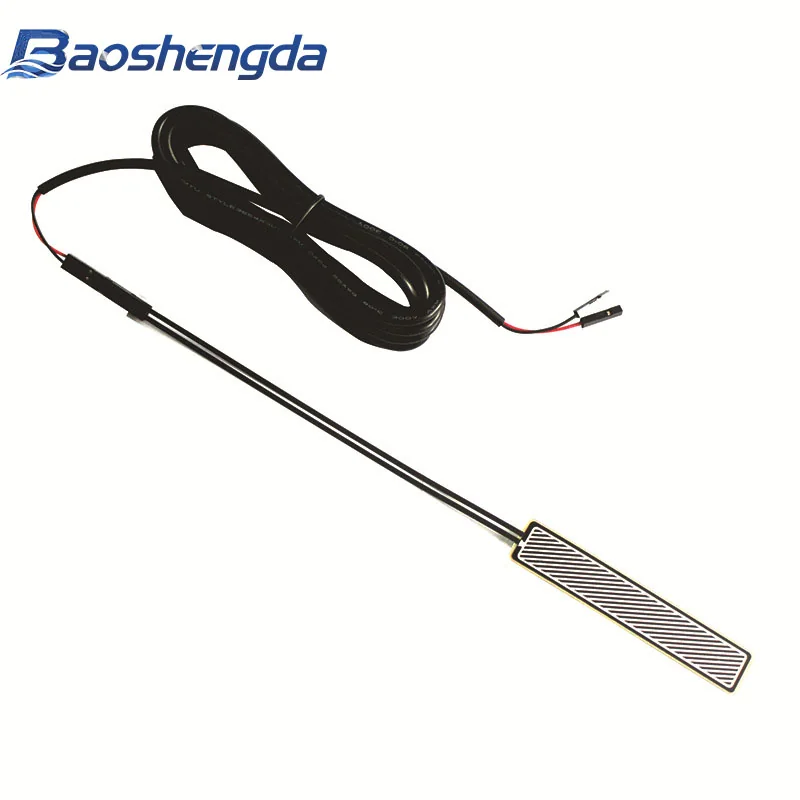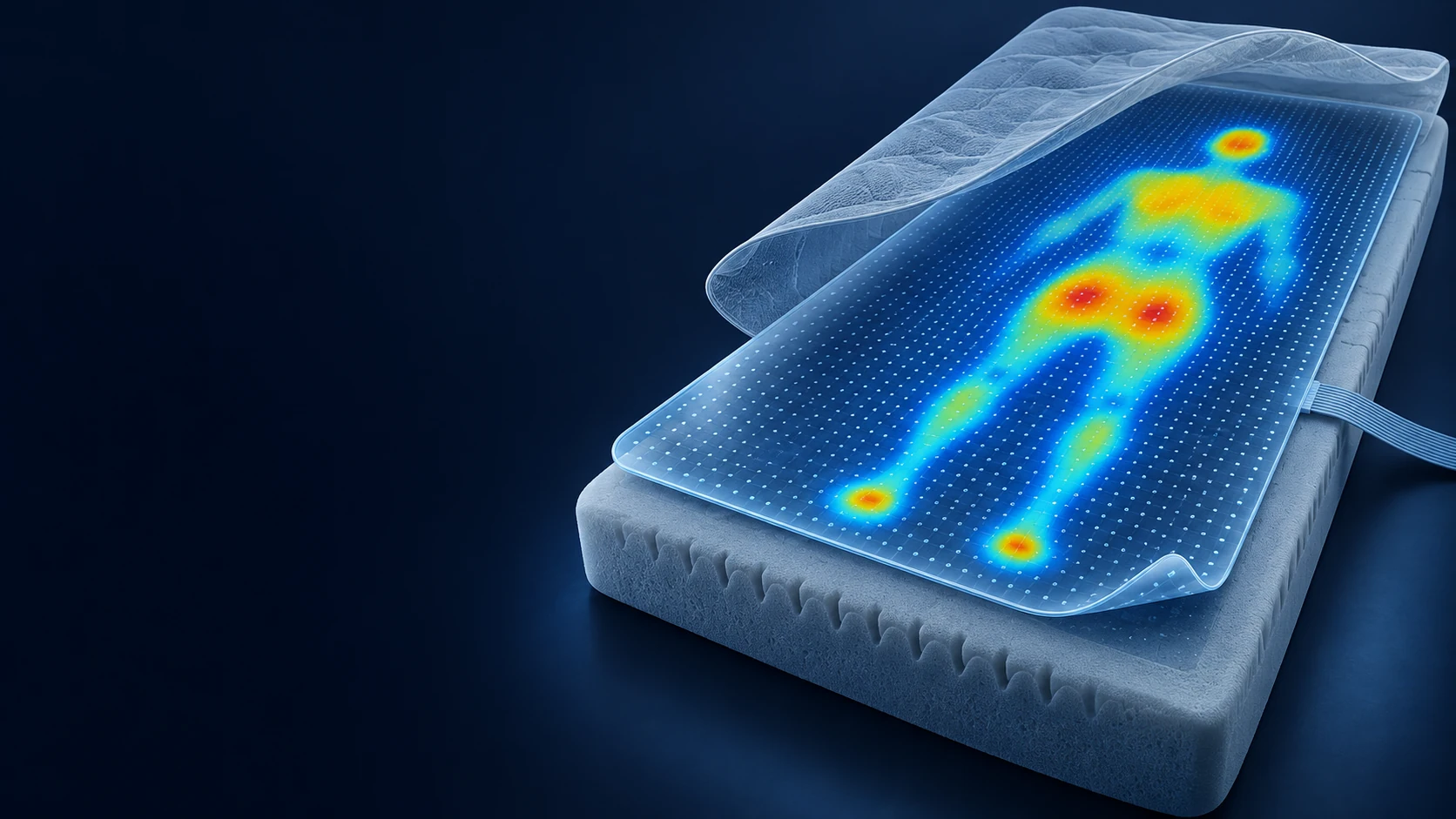
For an FSR sample in a seat or mattress project, first agree whether the system needs to detect occupancy, compare changes in loading, or report force in engineering units. Include the cover material, foam, backing support and acquisition circuit in the test. A signal produced by pressing the sample by hand shows a response under that contact condition; the assembled system still needs to be evaluated against its intended decision criteria.
On October 21, a Ministry of Civil Affairs report reproduced on cncaprc.gov.cn stated that an industrialization scenario project for intelligent rehabilitation aids in elderly care and disability support had been included in the first national list of major application scenario projects on October 20. The report identifies product validation and feedback from actual use as parts of the scenario program. Teams evaluating sensing in seats or mattresses can use that context to ask: do the test assembly, actions and records correspond to actual use? The report does not disclose an FSR selection or any Baoshengda involvement or supply relationship.
How do records for occupancy detection differ from records for force measurement?
Define what the controller needs to produce before discussing how the sensor and circuit will work together. The following task categories can help organize a review. The project parties must agree on the acceptance criteria.
- Detecting occupied and unoccupied states in a seat or bed. Records to keep during sample testing: Unloaded signals, signals during the intended action, transitions and decisions after contact shifts. Boundaries to define separately: Trigger and release conditions, permitted waiting time and treatment of edge contact.
- Comparing changes in local loading. Records to keep during sample testing: Raw signals for different actions and positions in the same assembly. Boundaries to define separately: The scope of comparison and whether changes to the stack or circuit require a new evaluation.
- Reporting force in engineering units. Records to keep during sample testing: Known loads, loading method, acquisition output and corresponding calibration records. Boundaries to define separately: Error evaluation method, applicable range and conditions for verification.
Tekscan's electrical integration guide discusses circuits for threshold detection and force measurement separately, and provides a calibration example relating known loads to circuit output. The guide concerns FlexiForce products and is useful as a method reference for separating test tasks. Its circuit values and example results are not specifications for Baoshengda FSRs.
Include the cover, foam and support in the sample test
In a seat or mattress, force reaches the sensor through the cover and compliant layers. The review record should show the stack from the contact surface to the backing support, including the sensor position, mounting method, tail direction and any preload after assembly. Record subsequent changes to the foam, cover or support structure.
Interlink's FSR integration guide explains that the contact actuator's area, shape and material change the response of its FSRs, and that evaluation conditions should closely match final use. Tekscan's mechanical integration guide also discusses the effects of contact area, contact position and compliant or rigid interface materials on its sensors. These manufacturer documents support identifying the variables during review. They do not remove the need to validate the project's assembled system.
If only a bench setup is available, record it alongside the intended assembly and identify the conditions that have not yet been reproduced. Baoshengda's seating application notes and mattress application notes can help organize the installation questions. Their application images are concepts, not measured sample pressure maps.
Keep a record from the unloaded state through unloading
To make feedback from actual use comparable with test records, a sample review can cover the following sequence. The project test agreement should define the loads, durations, action timing and thresholds. This article sets no universal values.
- Assembly completed, before the intended load is applied. Suggested records: Stack revision, preload state and initial output. Question for review: Has assembly itself changed the signal?
- Loading at the agreed position. Suggested records: Contact position, loading method, raw output and controller decision. Question for review: Does the decision correspond to the agreed action?
- Moving toward an edge or changing contact posture. Suggested records: Position changes, signals and decision changes. Question for review: Which contact states need separate treatment?
- Holding the load. Suggested records: Output over time and the decision at that time. Question for review: What decision rule applies during sustained loading?
- Removing the load. Suggested records: Unloading process, subsequent output and release result. Question for review: When does the system recover and report an unoccupied seat or bed?
- Repeating the agreed action. Suggested records: Assembly conditions, signals and results for each repetition. Question for review: Which recorded variables help explain differences?
If the project requires numerical force measurement, connect its calibration method to this action record. Tekscan's pressure mapping calibration notes recommend using the same interface materials as in the application and explain that more compliant materials may affect results. This is guidance for its systems. The sensor, circuit and equipment teams should jointly confirm calibration and sample test conditions for the project. See Baoshengda's loading, unloading and calibration notes for further preparation points.
State who supplies each part and who accepts it
The sensor sample, acquisition circuit, state algorithm and equipment functions may come from different parties. The review conclusion should identify the supplied item, required data and team responsible for acceptance. If an alarm or care workflow is planned, the equipment team must also define its functional validation scope. A sensor response record does not establish medical monitoring effectiveness.
Seating and mattresses are existing Baoshengda application areas. The structure, sensing area, tail routing and test arrangements remain subject to project review. Before discussing samples, review the product and customization scope and submit the task categories and test record with your structural information through the project inquiry page. If the information is still being prepared, see what to prepare before a custom FSR inquiry. Confirm permission before sharing information about a customer's product.
This article supports project discussions. Materials, sensing range, construction and test conditions must be reviewed against your drawing and requirements.