If an assembled FSR produces a constant or fluctuating signal, or triggers at a different contact position, keep the same sample, acquisition circuit and raw output for a comparison with its pre-assembly condition. Check the termination, forces on the tail and contact structure over the sensing area separately. One abnormal result does not establish sensor failure, and an inserted plug alone does not rule out a connection issue.
The NEPCON ASIA organizer’s exhibition information lists October 27–29 as the 2026 event dates, with welding, test and measurement, and automation among the exhibitor categories. When an FSR sample moves to assembly and test teams, those teams need to agree on a practical question: how will they use the same record to locate what changed when a signal becomes abnormal? This article uses that context to organize checks of connections and force transfer. The exhibition information does not establish Baoshengda participation or a supply relationship.
Keep a pre-assembly comparison record
Under the project’s agreed safe circuit and loading conditions, record the sample ID, drawing revision, connection method, acquisition settings, and raw output with no intended load and during the agreed contact action. Repeat under those conditions after assembly, noting the addition of the enclosure, mounting, cover and support. This comparison narrows the investigation; it does not replace calibration or performance acceptance.
If only a controller’s on/off state is available, also save its threshold and filtering settings. An unchanged displayed state may relate to decision settings; examine raw output to determine whether the signal changes. When another team supplies the circuit or controller, that team should confirm test points and procedures before wiring is changed.
Why check the termination when the plug is already inserted?
Check the actual termination type, contact orientation and mating part, then insertion and locking. Similar appearance, pin count or photographs do not establish interchangeability.
Tekscan’s FlexiForce connection guide distinguishes tail ends by contact surfaces, stiffeners and surface treatments, as well as use for a single insertion or multiple insertions. These are conditions for that manufacturer’s products, not evidence that Baoshengda samples use the same construction. Submit the actual tail and connector documentation together for supplier confirmation.
If connection checks are permitted, use the agreed procedure to check the connection and electrical path, recording the assembly condition. Do not treat one multimeter reading as a universal FSR acceptance value. Confirm the applicable conditions for the instrument, circuit and sensor first.
What should be checked when closing the enclosure changes the signal?
Compare photographs and output before and after closing the enclosure. Check whether the tail exit, mounting points or turns have been pinched, pulled taut or folded. Preserve the original condition in the record before any approved disassembly. Changing several things while dismantling can make the issue difficult to reproduce.
Tekscan’s folding FAQ states that its sensing area should not be folded and that trace bending has limits. This supports reviewing the sensing area and routing separately. Its product limits are not allowable bending conditions for Baoshengda samples. Static installation and repeated movement need separately agreed validation methods.
Also compare the contact part above the sensing area, cover, backing support and assembly preload. If the connection stays the same while contact construction changes, record the corresponding output for the project team to assess further tests. A passed connection check excludes only what was checked; it does not establish that force transfer, calibration or equipment function has passed. See the site’s installation and force-transfer notes for further review points.
Can an uncertain contact simply be resoldered?
First confirm whether the termination was designed to be soldered. Interlink’s FSR integration guide warns against soldering directly to exposed silver traces on its flexible FSRs and identifies purpose-made connection methods. Solderable terminals and exposed printed traces are different structures; a process for one cannot simply be applied to the other.
For a Baoshengda sample, permission to solder, repair or replace a connection should be confirmed against its termination materials, construction and project process. Do not borrow another manufacturer’s soldering temperatures, times or repair methods to investigate a signal. Record any modification so the sample is not subsequently compared as an unmodified original.
Send the supplier a record of changes and evidence
A one-page issue record can help the teams compare observations. The project parties still need to agree on acceptance criteria:
- When the issue appeared: after wiring, bonding, enclosure closure, movement or disassembly; include the sample and drawing revisions.
- How it was connected and read: termination, mating part, contact orientation, circuit version and settings; retain raw output and controller decisions.
- What changed in the force path: sensing contact position, cover, support and preload, plus the tail exit and mounting points; include photographs or sketches you have permission to share.
- What has been checked: repetitions under the original conditions, the single item changed at each step, conditions not reproduced, and any soldering or repair.
- Who confirms the next step: assign the sensor, termination, circuit readout and equipment decision to their responsible teams, with the remaining questions to validate.
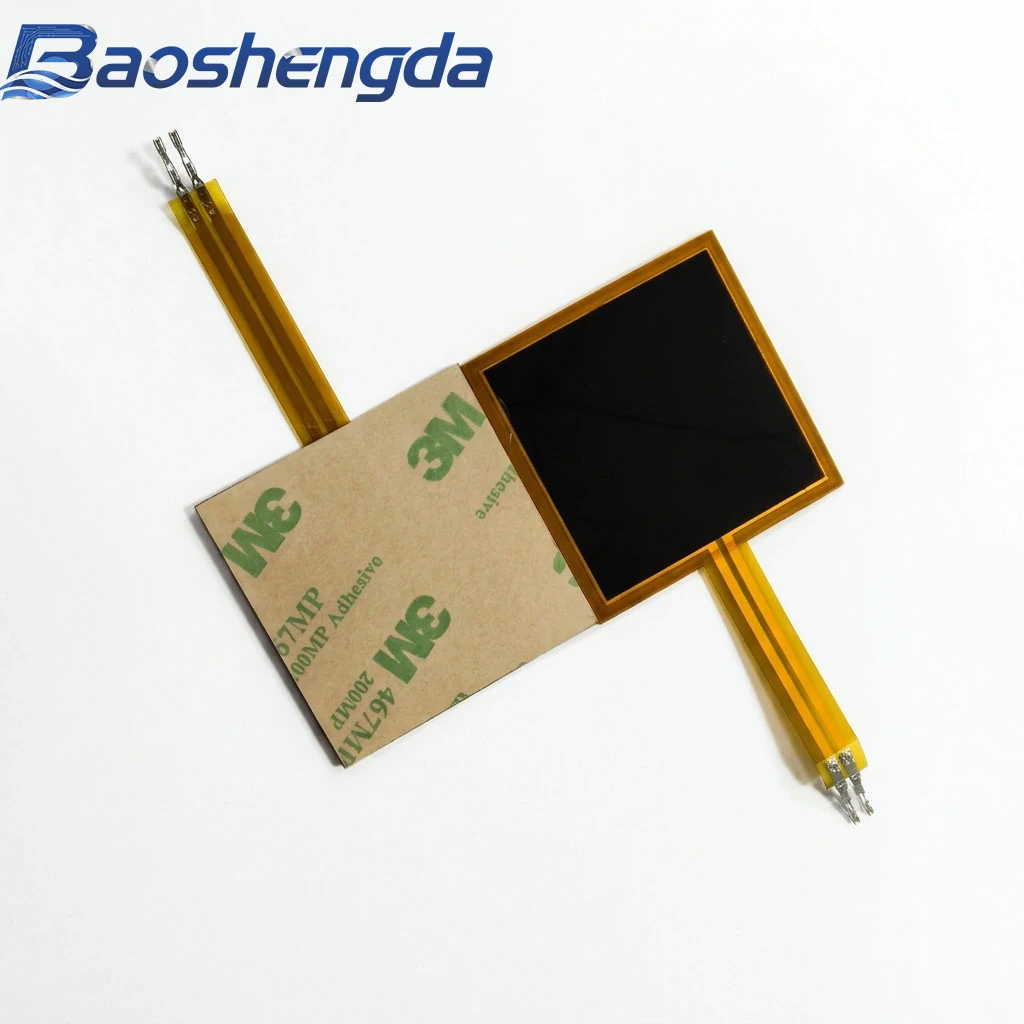
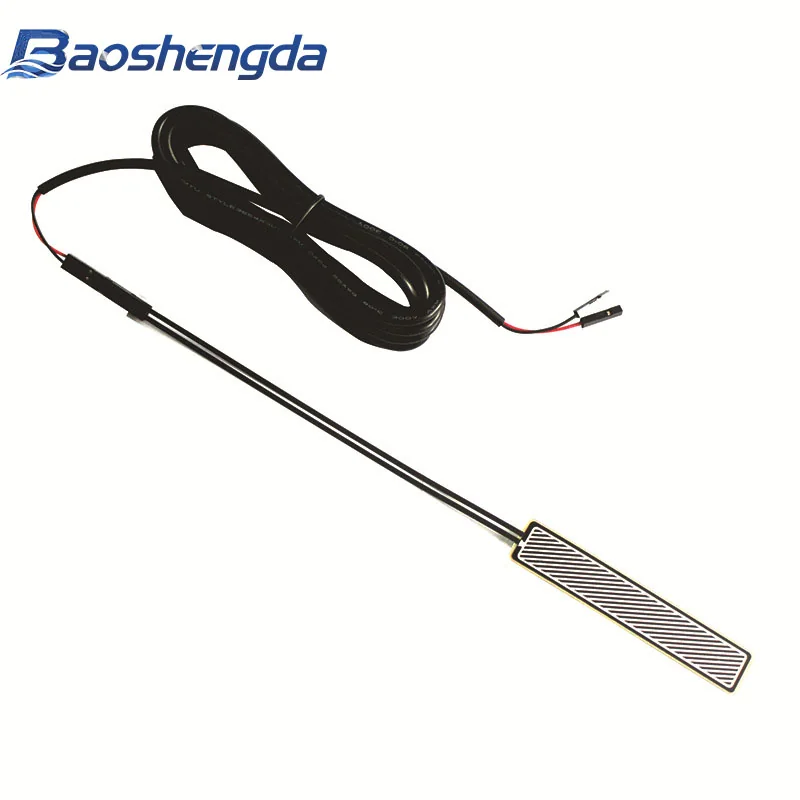
The site’s wired sample and custom structures illustrate shape and connection direction. A photograph cannot establish interface compatibility or the cause of an abnormal signal. The cover is an existing public sample photograph, not evidence that this article’s investigation was performed on that sample. Review the customization and sampling process to define the scope, then send the record through the project inquiry page. Confirm permission before sharing information about an unreleased customer product.
This article supports project discussions. Materials, sensing range, construction and test conditions must be reviewed against your drawing and requirements.