When reviewing FSR protection for equipment that will be wiped, washed or potentially exposed to liquids, first map where the liquid may reach, confirm whether the specific sensor construction needs venting, and review force transfer and readings after adding protection. An easy-to-wipe enclosure or a film placed over the sensor does not establish that the internal FSR is water resistant, chemically compatible, or suitable for a disinfection or sterilization process.
Stäubli’s pre-show CIPM introduction for the October 27–29, 2026 exhibition in Xiamen discusses clean pharmaceutical robots, isolator applications and downstream packaging automation separately, describing materials, construction and cleaning conditions together. For a team considering FSRs inside cleanable equipment, this raises a practical question: which boundaries between external protection and the internal sensing structure need to be validated together? The introduction concerns that company’s robots. It does not disclose an FSR installation or Baoshengda participation or supply.
Draw external cleaning and sensor exposure separately
On an assembly section or a sketch you have permission to share, mark the surface to be cleaned, sensing area, backing support, protective-layer edges, tail exit and connector. Explain whether liquid may remain on the surface, enter along an edge, or contact the sensor directly. Wiping, spraying and immersion are different exposure conditions; a single “waterproof” requirement cannot describe them all.
Provide the medium’s name and documentation, concentration, temperature, contact method, exposure time, frequency and drying method together. Mark unresolved items for confirmation. Do not copy process settings from another device’s instructions and treat them as agreed conditions for this project. Where disinfection or sterilization is involved, the equipment team must define the applicable process and equipment-level validation requirements. This article provides no process recipe or effectiveness conclusion.
Confirm the specific venting requirement before sealing an edge
Interlink’s FSR integration guide warns against blocking the vent in the FSR construction it describes and explains its relationship to ambient pressure balance and loading and unloading response. It also cautions against certain adhesives and flux-removing agents that can damage its substrate. These points support reviewing vents and material compatibility, not assuming that every FSR uses the same vent construction.
Tekscan’s water-resistance FAQ distinguishes water resistance from prolonged immersion and discusses liquid entering between layers and perimeter sealing. That FAQ concerns Tekscan’s own sensors. It cannot determine the suitability of a Baoshengda sample, and its sealing approach should not be transferred directly to another construction.
Before adding adhesive, an edge seal or potting, ask the sensor supplier to confirm whether the specific model or drawing revision needs venting, where any vent runs, which regions may be covered, and how materials and assembly will be validated. The two manufacturers’ different design notes do not form a universal encapsulation recipe. Keep unresolved information as review items rather than inferring internal construction from sample photographs.
Review the force path after adding protection
A protective layer may lie in both the liquid path and the load path. The review drawing should separately identify its coverage over the sensing area and surrounding adhesive border, and its relationship to the contact part, support and mounting regions. When coverage, compliance, thickness or mounting changes, record assembly preload and contact conditions. Checking only for leakage is insufficient.
Tekscan’s mechanical integration guide discusses how compliant and rigid interface materials affect FlexiForce response, and how protective sheets and mounting relate to shear. This is integration guidance for that product. It does not establish that any protective film or adhesive layer is suitable for Baoshengda FSRs.
At the sample stage, under conditions agreed by the project parties, retain the construction revision, loading position, load, circuit settings and raw output before and after adding protection. If the change requires recalibration, keep its version and verification conditions separately. Use the installation and force-transfer notes and assembly signal troubleshooting article to help distinguish connection changes from force-transfer changes.
Make the cleaning-related record traceable to the complete assembly
Put material observations and sensing-function records into the same plan, with test methods and decision criteria agreed by the project parties:
- Test object: sample ID, drawing revision, protective and adhesive layers, mounting and complete assembly condition; identify the regions exposed to the medium.
- Exposure: actual medium, contact method, duration, temperature and repetition plan, together with drying or recovery conditions; record deviations from the original plan.
- Construction observations: changes in the cover, edges, adhesive and tail exit against the agreed inspection items; retain the corresponding vent review where relevant.
- Sensing checks: retain before-and-after raw output under the agreed common loading, circuit and reading conditions; state any remounting or recalibration and the operating conditions still not covered.
An unchanged appearance does not establish unchanged sensing behavior. One sample test also does not automatically establish long-term durability or equipment-level protection, cleaning or disinfection effectiveness. When comparing several samples, use the part-to-part variation and repeatability review to keep remounting changes separate from differences between sensors.
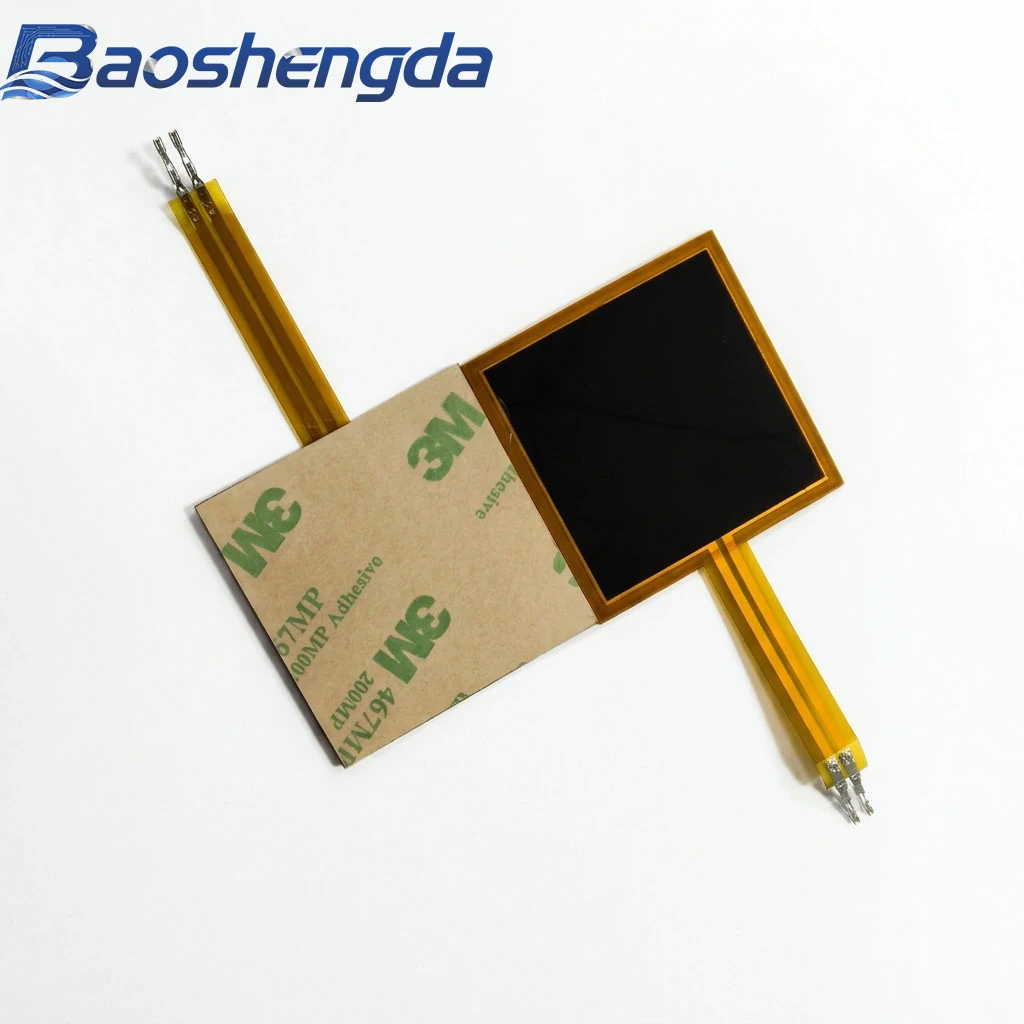
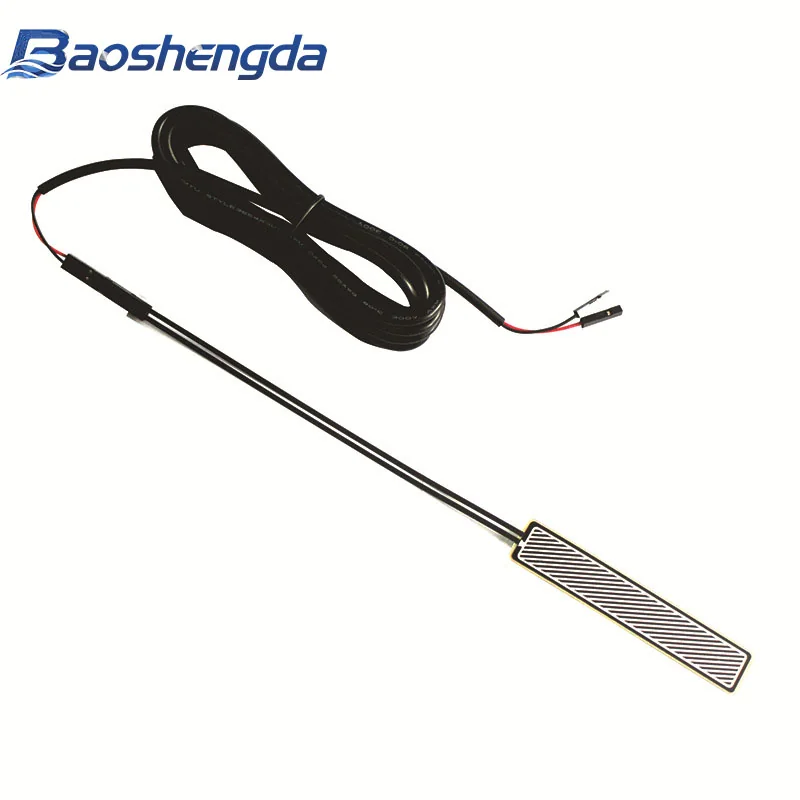
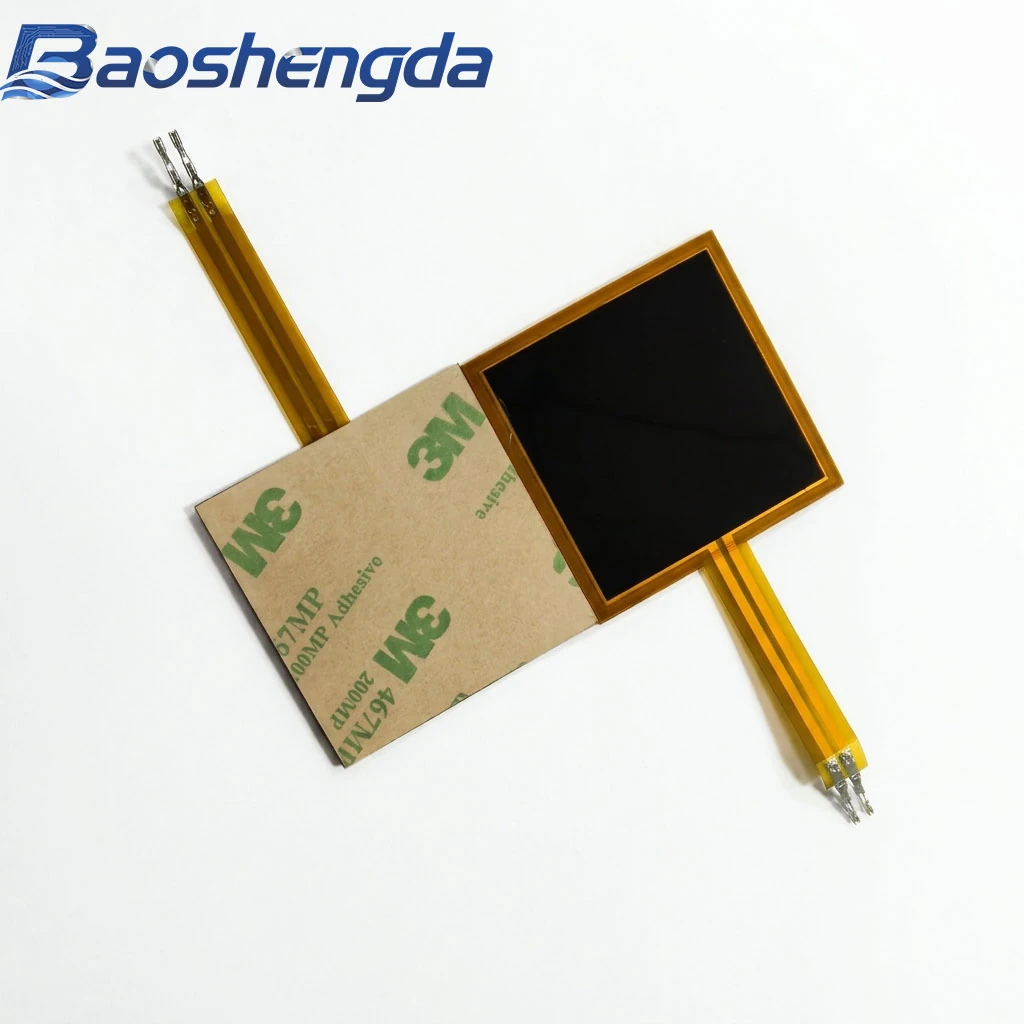
The cover uses the site’s public square-sample front and back appearance example. It does not show a sealed sample, a passed cleaning-resistance test or an internal vent construction. Bring the cleaning conditions, assembly section and proposed checks to the customization and sampling process to agree the discussion scope, then submit information through the project inquiry page. Confirm sharing permission for unreleased customer drawings first.
This article supports project discussions. Materials, sensing range, construction and test conditions must be reviewed against your drawing and requirements.