When reviewing a small group of FSR samples, record repeated loading of the same sensor, differences between sensors, and changes after remounting separately. First fix the load, contact structure, circuit and reading time, then specify whether you are comparing raw readings or calibrated results. Stable repeated results from one sensor do not establish that other sensors will produce the same output. Similar results after individual calibration also do not establish part-to-part consistency before calibration.
This article explains how engineering, purchasing and quality teams can organize comparable sample records. It sets no universal sample count or acceptance limit and reports no measured results for a Baoshengda production lot.
What do same-sensor, different-sensor and remounting comparisons tell you?
Interlink’s FSR integration guide lists single-part and part-to-part repeatability separately, with conditions including the actuation system and lot. The useful principle here is to separate the comparisons. Its model-specific numbers are not Baoshengda specifications.
Keep the following record groups separate, with the test arrangements agreed by the project parties:
- Same-sensor repetitions: retain the same sample ID and mounting condition, repeat the agreed loading sequence, and observe that sensor’s output changes under those conditions. State whether it was removed or remounted during the test.
- Different-sensor comparison: replace samples under the agreed common conditions. Record each ID, lot or source, assembly condition and reading. Separate within-lot and across-lot groups when both are needed. Mark an unknown source as unknown; similar appearance does not establish a common lot.
- Remounting comparison: retain the same sensor, remove and reinstall it as agreed, and record changes in positioning, mounting and contact. This group examines changes introduced by installation. Do not combine it into one metric with repetitions made without remounting.
Repeated tests of one sensor provide records for that sensor under the conditions tested. Part-to-part and across-lot behavior still need separate evaluation. A photograph containing several samples is not same-lot comparison data.
Check the loading fixture before comparing sensors
Even when each record says “the same load,” confirm how that load reaches the sensing area. Record the contact head’s material and area, contact position, backing support, cover, mounting and preload. Keep loading and unloading order, hold time, recovery time and reading time consistent, or distinguish them explicitly. Changes during a held load should be considered separately from changes at the next loading cycle.
Tekscan’s pre-prototype validation notes show examples of checking fixture loading with a load cell and using vibration observations to interpret output fluctuations. These examples concern FlexiForce testing and support treating the fixture and environment as separate checks. Fluctuations alone do not establish that the sensor caused them. This article does not diagnose a fault in your samples or fixture.
If results from one sensor are already difficult to repeat under the agreed conditions, check fixture, circuit and mounting records before interpreting differences after changing sensors. The existing assembly signal troubleshooting article can help organize connection and force-transfer changes. Confirm test conditions with the calibration and sample inspection notes.
Why keep raw outputs separate from individually calibrated results?
Before review, identify the reading: sensor resistance, circuit voltage, raw ADC value, or a converted force value. Numbers representing different quantities, circuit gains or acquisition settings cannot simply be ranked together.
Tekscan’s electrical integration guide discusses individual calibration to address part-to-part variation in its FlexiForce products and recommends a calibration assembly as close as possible to final use. To interpret results, reviewers therefore need to know which conversion relationship was used for each sensor. Its calibration points, loads and circuit examples cannot be transferred directly to Baoshengda samples.
Keep two types of record for each sensor: test conditions, applied load and raw output; and the calibration file or coefficient version used, together with the converted results. If the purpose is to examine output spread before individual adjustment, fix the readout settings and state that no individual correction was applied. If the purpose is to assess system performance after individual calibration, state whether calibration and verification data are separate, and record the assembly conditions used for verification.
Both result types can be useful, but they answer different questions. A proposed common calibration curve also needs evaluation as a separate approach. One sensor’s calibration does not establish that the curve applies to the others.
Turn “acceptable consistency” into an agreed decision method
A purchasing document that says only “good consistency” or gives a percentage can leave the parties discussing data on different bases. Consider recording the following in the agreed project document:
- Objects and coverage: sample IDs, drawing revisions, lots and quantities included; working loads and assembly states tested, and those not tested.
- Data and method: the quantity or circuit output compared and when it is read; whether decisions concern individual load points, curves or system states, and whether individual calibration was used.
- Expression of deviation: the statistical or calculation method; for a percentage, whether the denominator is an agreed reference, a reading or another basis, and how zero or near-zero values are handled.
- Acceptance and disposition: limits and their basis, retest conditions, preservation of abnormal results, the responsible decision-maker, and the stage of purchasing decision the results can support.
Agree sample quantities, repetitions, sampling methods and acceptance limits against the intended use, risks and review objective. Comparing a few samples does not automatically represent an entire subsequent lot or independently establish life or equipment-level function. Seat and mattress projects can first use the sample testing task distinctions to clarify whether the system needs a state decision or a force value, then decide what to compare.
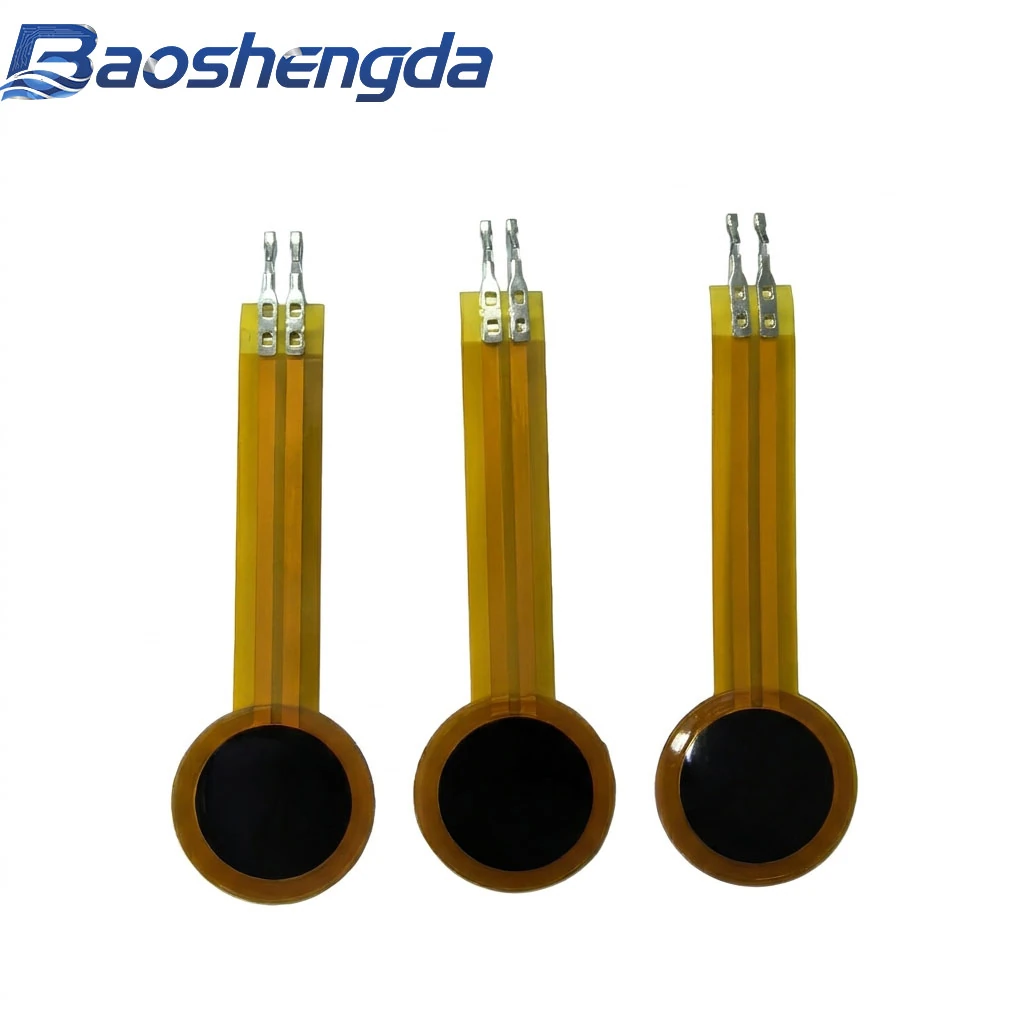
The cover is an existing public round-sample appearance example. It shows different sample forms, not a common lot, identical specifications or a measured consistency report. To prepare a small-batch review, bring the sample revision, comparison objective, existing circuit and proposed records to a discussion of the customization and sampling process, then submit information through the project inquiry page. Confirm permission before sharing information about an unreleased customer product.
This article supports project discussions. Materials, sensing range, construction and test conditions must be reviewed against your drawing and requirements.